
+599 701 4494
Book your table

The Best Beaches in Bonaire

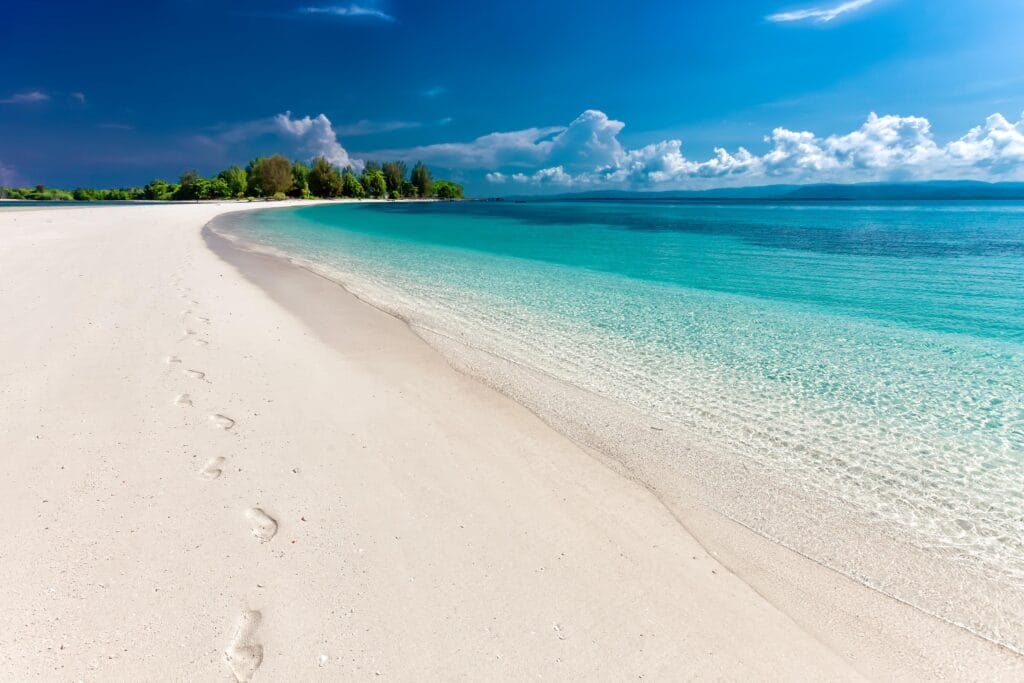
Bonaire does beaches differently. No loungers in rows, no jet skis, just reef that starts a few metres from your towel and has been protected since 1979 by one of the world’s oldest marine parks.

Most beaches here are coral rubble rather than soft sand. Bring water shoes and the whole island opens up.

Planning your beach day? Start or finish it at La Cantina on Kaya Grandi in Kralendijk. Fresh local fish, our own Bonaire Blond on tap, and a terrace in the middle of town.

Book your table

The 8 Best Beaches in Bonaire

Before you go

  1. Everyone entering the water needs a valid STINAPA nature tag, available online
  2. Water shoes are not optional
  3. Never touch or stand on coral, and keep your distance from turtles
  4. Reef safe sunscreen only, or wear a rash vest
  5. Go in the morning, the wind builds through the afternoon

Where to end the day

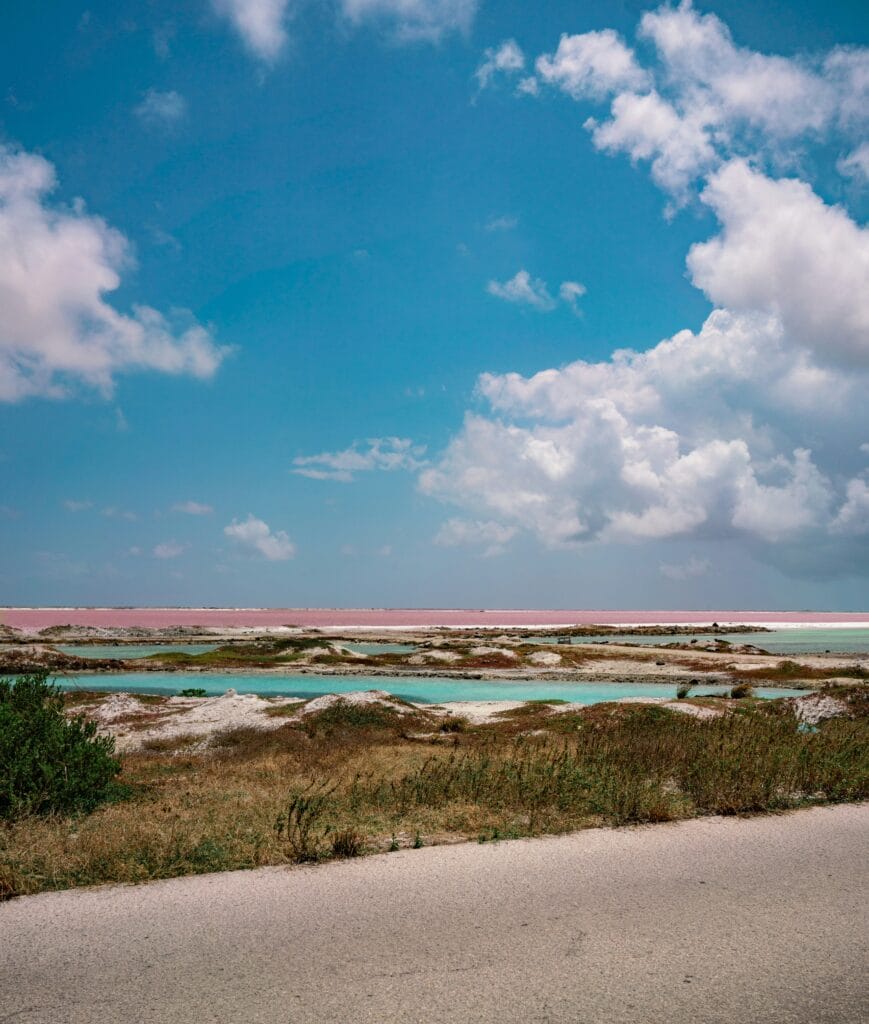
Snorkel early, drive south past the salt pans in the afternoon, then head back into town as the light goes gold.

La Cantina is on Kaya Grandi in the centre of Kralendijk, with fresh local fish, our own Bonaire Blond on tap and a terrace made for comparing notes on the day. Open 11.30 until midnight, closed Tuesdays. Book ahead in high season.

Reserve a table

Frequently asked questions about things to do in Bonaire

Donkey Beach for beginners, because the reef drop off sits close to shore and the water stays calm. Confident swimmers should head to 1000 Steps, where the coral is healthier but deeper and further out.

Yes. Everyone entering the water needs a valid STINAPA nature tag, which funds the marine park. Buy it online before you arrive and check the current rate, since divers and other water users pay different amounts.

Sorobon in Lac Bay. The water stays waist deep for around fifty metres, it is warm and sheltered by the reef, and there are toilets, changing facilities and beach bars on site.

By water taxi from the pier at Karel’s Beach Bar in central Kralendijk, roughly 25 dollars return. The island is uninhabited with no shops, toilets or shade, so bring everything you need.

A few, including Te Amo, Sorobon and No Name Beach on Klein Bonaire. Most of the coastline is coral rubble or limestone, which is why water shoes make such a difference here.